About Andrew Bell

This author has not yet filled in any details.
So far Andrew Bell has created 45 blog entries.

Biden Administration to Delay Effective Date of Trump’s MBTA Rollback Rule

By |2024-04-17T21:44:07+00:00February 6th, 2021|Uncategorized|

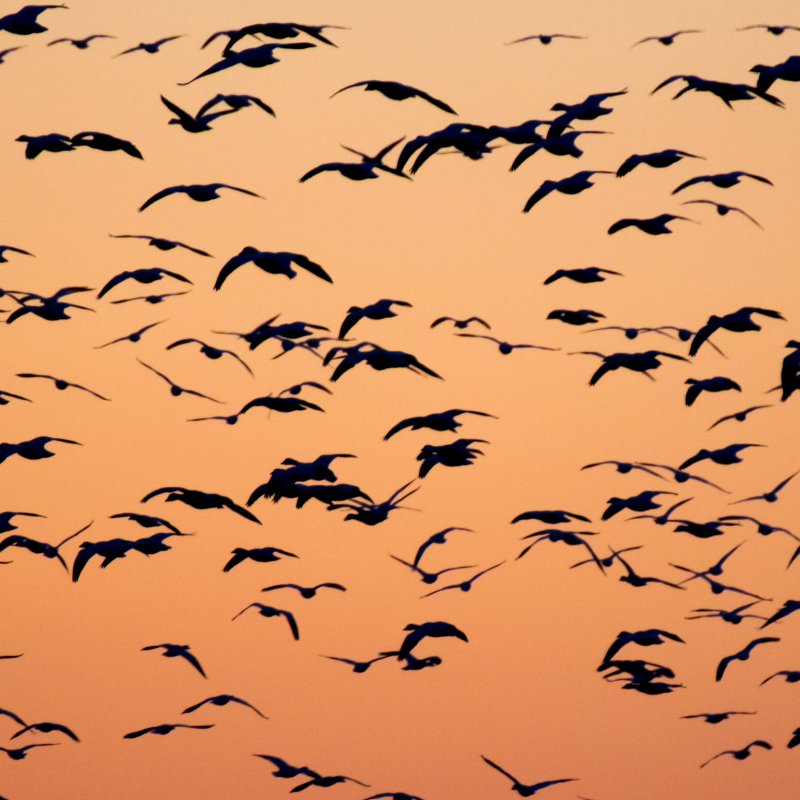
As expected, the Biden administration will invoke the Congressional Review Act (CRA) to delay the effective date of the Trump administration’s proposal to exempt incidental take from liability under the Migratory Bird Treaty Act (MBTA). The Trump administration rule would have taken effect on 8 February 2021; the Biden administration delay will extend the effective date until 8 March 2021. The new Federal Register notice, to be published on 9 February 2021, will request further public comments to inform the Biden administration’s review of the rule while at the same time clearly signaling its [...]
DRECP Reform: Trump’s Parting Gift to Renewable Energy in California?

By |2024-04-17T21:44:11+00:00January 16th, 2021|Uncategorized|

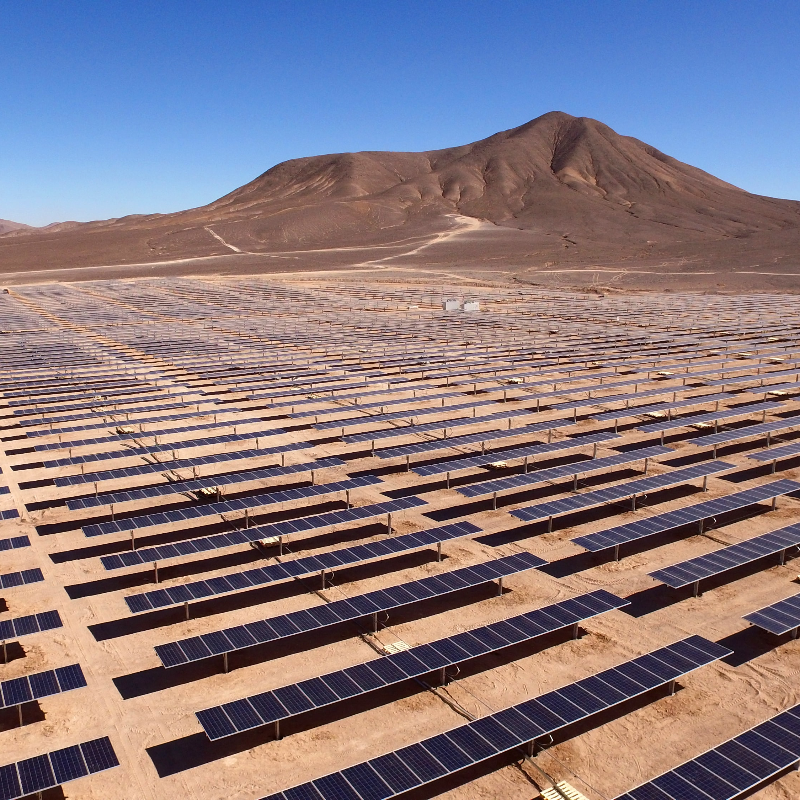
On 14 January 2020, the Bureau of Land Management (BLM) published a proposal intended to make it easier to develop renewable energy projects on BLM-administered lands in Southern California. The renewable energy industry should take the time to show the Biden administration why this is one Trump-era regulatory shift that should be carried forward if climate change reduction is indeed a priority. The proposal seeks in part to address long-standing renewable energy industry concerns that BLM took far too many acres off the table when it adopted the 10-million-acre Desert Renewable Conservation Plan (DRECP) [...]

A New Trump Administration Rule Exempting Incidental Take Under the MBTA Is Unlikely to Last Long.

By |2024-04-17T21:44:16+00:00January 6th, 2021|BGEPA and MBTA|

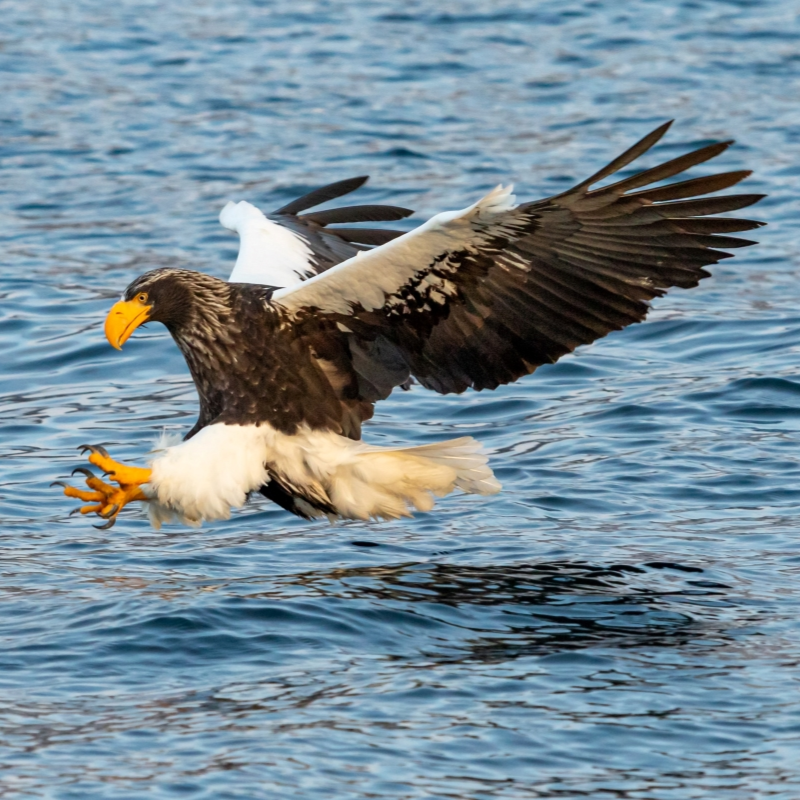
A long-standing regulatory tug-of-war over whether the Migratory Bird Treaty Act (MBTA) prohibits incidental “take” of migratory birds is about to enter a new, but likely short-lived, phase. On 7 January 2021, the Trump administration will publish a new regulation affirming that the MBTA does not prohibit incidental take of migratory birds, a view directly at odds with the Obama administration’s enforcement of the MBTA against incidental take caused by industry, wind energy and oil and gas in particular. But there is a high likelihood the rule will never take effect if the Democrats [...]

Court Partially Strikes Down California’s Expansive New Dredge and Fill Rules

By |2024-04-17T21:44:42+00:00December 21st, 2020|Clean Water Act, Wetland and riparian permitting|

A 17 December 2020 trial court order largely prohibits the California Water Resource Control Board (State Board) from applying new rules that greatly expand California’s regulatory control over wetlands and dredge and fill activities throughout the state. The effect of the ruling may be temporary, however. The rules, which took effect on 28 May 2020, were in large part an attempt to regulate waters not covered by the narrowed scope of the federal Clean Water Act under the Trump administration. The rules were overturned almost seven months later when the court in San Joaquin [...]

Joshua Tree Designated as Candidate Species under California Endangered Species Act

By |2024-04-17T21:44:46+00:00September 22nd, 2020|Endangered Species, Uncategorized|

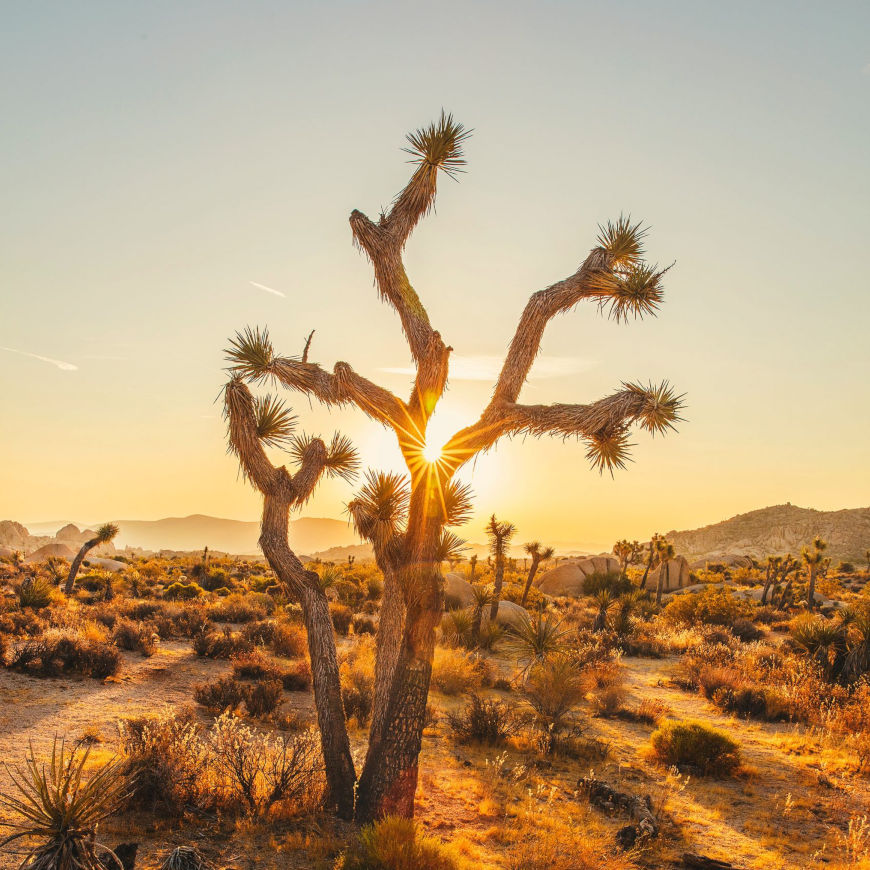
On 22 September 2020, the California Fish and Game Commission (Commission) unanimously voted to designate the western Joshua tree (yucca brevifolia) as a candidate species under the California Endangered Species Act (CESA), as expected.

California Stalls Joshua Tree Endangered Species Act Determination to Consider Up-Front Take Authorization

By |2024-04-17T21:44:50+00:00August 21st, 2020|Endangered Species, Uncategorized|

On 20 August 2020, the California Fish and Game Commission (Commission) again postponed its decision whether to designate the western Joshua tree (yucca brevifolia) as a candidate species under the California Endangered Species Act (CESA).

Is To Kill a Mockingbird Good Authority? Federal Court Sets Aside Administration’s Interpretation of the Migratory Bird Treaty Act

By |2024-04-17T21:44:54+00:00August 19th, 2020|BGEPA and MBTA, Uncategorized|

On 11 August 2020, the U.S. District Court for the Southern District of New York issued an opinion setting aside the U.S. Department of Interior’s (DOI) interpretation of the Migratory Bird Treaty Act of 1918 (MBTA) as contrary to law pursuant to the Administrative Procedure Act. The decision deepens a circuit split over an issue of importance to industrial and wind energy installations across the United States.

Supreme Court Reinstates Army Corps’ Nationwide Permit 12 Except As Applied to the Keystone XL Pipeline

By |2024-04-17T21:44:58+00:00July 7th, 2020|Clean Water Act, Endangered Species, Wetland and riparian permitting|

On 6 July 2020, the U.S. Supreme Court lifted a nationwide vacatur on the use of the Army Corps of Engineers’ (Corps) Nationwide Permit 12 (NWP 12) for the construction of new oil and gas pipelines. However, the Court declined to lift the vacatur as it applies to the Keystone XL Pipeline from which the original order arose. The decision is a blow to Keystone XL but a relief to other oil and gas pipeline developers who may once again employ NWP 12 to permit pipeline crossings over jurisdictional waters of the United States.

Emergency Relief or Business as Usual? Trump’s Latest Executive Order Aims to Streamline Environmental Permitting on Questionable Grounds

By |2024-04-17T21:45:28+00:00June 5th, 2020|Clean Water Act, Endangered Species, National Environmental Policy Act|

On 4 June 2020 the White House issued an Executive Order (EO) directing federal agencies to invoke emergency procedures under the National Environmental Policy Act (NEPA), the Endangered Species Act, the Clean Water Act, and other environmental statutes in order to expedite infrastructure projects as a means of accelerating the nation’s economic recovery from the COVID-19 emergency.

California Dreaming? Offshore Wind on the West Coast

By |2024-04-17T21:45:33+00:00June 3rd, 2020|California Environmental Quality Act, Clean Water Act, Endangered Species, National Environmental Policy Act, Uncategorized, Wetland and riparian permitting, Wind Energy|

Offshore wind energy development is in its infancy in the United States compared to Europe. The nation’s first operational project came online in 2016 off the coast of Rhode Island. A few other projects have since gained traction up and down the Eastern seaboard. Deep, crowded waters and technological barriers have largely kept the West Coast out of the discussion. But, as floating turbine technologies become commercially feasible and open up the potential for massive amounts of wind power in California waters, recent inter-agency cooperative efforts have begun to clear a path, and developers are lining up.

Go to Top